1 serving powdered food coloring in various colors
1 serving ice cubes
32 ounces chocolate white
Equipment
bowl
ladle
baking paper
knife
whisk
microwave
spatula
kitchen scissors
offset spatula
immersion blender
Directions
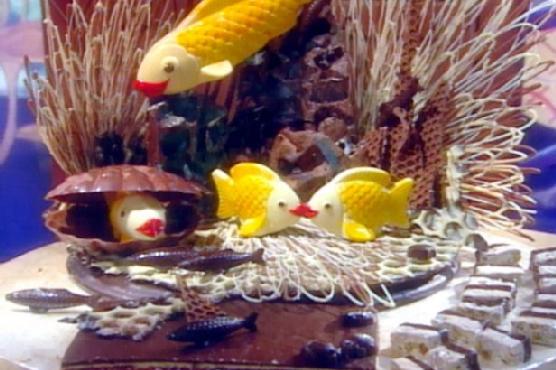
Place a piece of the bubble wrap, bubble side up, on your work surface. Using a large spoon or ladle, randomly drizzle white and bittersweet chocolate onto the plastic. Using an offset spatula, spread the two drizzled chocolates evenly, creating a marbled effect. You can make the base whatever size and shape you'd like it to be, however make sure it is at least 1/4-inch thick.
Place large ice cubes in a tall, round plastic container.
Pour the untempered bittersweet chocolate over the cubes and let set until the cubes have completely melted.
Remove the chocolate from the container, drain off, and discard the excess water. For the Final Seascape: Arrange the pieces as you would like on the bubble wrap base and "glue" them down using the melted chocolate. If you place all of the pieces in the refrigerator first, the sculpture will set faster, as the cold chocolate will cause the "glue" to harden and set quickly.
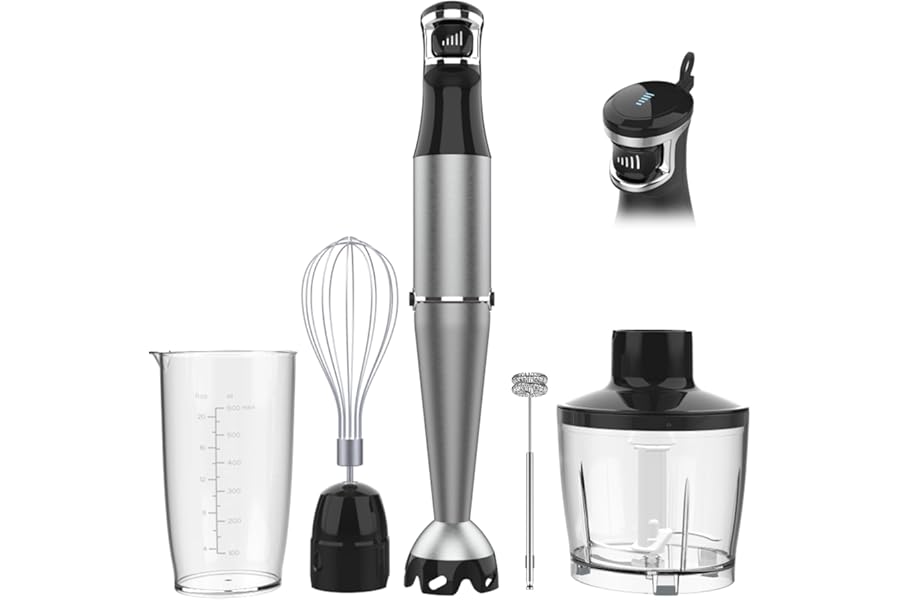
How to Temper Chocolate(From Dessert Circus, Extraordinary Desserts You Can Make At Home by Jacques Torres): Chocolate is tempered so that after it has been melted, it retains its gloss and hardens again without becoming chalky and white (that happens when the molecules of fat separate and form on top of the chocolate). There are a variety of ways to temper. One of the easiest ways to temper chocolate is to chop it into small pieces and then place it in the microwave for 30 seconds at a time on high power until most of the chocolate is melted. Be very careful not to overheat it. (The temperature of dark chocolate should be between 88 and 90 degrees F, slightly warmer than your bottom lip. It will retain its shape even when mostly melted. White and milk chocolates melt at a temperature approximately 2 degrees F less because of the amount of lactose they contain.) Any remaining lumps will melt in the chocolate's residual heat. Use an immersion blender or whisk to break up the lumps. Usually, chocolate begins to set, or crystallize, along the side of the bowl. As it sets, mix those crystals into the melted chocolate to temper it. A glass bowl retains heat well and keeps the chocolate tempered longer. Another way to temper chocolate is called seeding. In this method, add small pieces of unmelted chocolate to melted chocolate. The amount of unmelted chocolate to be added depends on the temperature of the melted chocolate, but is usually 1/4 of the total amount. It is easiest to use an immersion blender for this, or a whisk. The classic way to temper chocolate is called tabliering. Two thirds of the melted chocolate is poured onto a marble or another cold work surface. The chocolate is spread out and worked with a spatula until its temperature is approximately 81 degrees F. At this stage, it is thick and begins to set. This tempered chocolate is then added to the remaining non-tempered chocolate and mixed thoroughly until the mass has a completely uniform temperature. If the temperature is still too high, part of the chocolate is worked further on the cold surface until the correct temperature is reached. This is a lot of work, requires a lot of room, and makes a big mess. A simple method of checking tempering, is to apply a small quantity of chocolate to a piece of paper or to the point of a knife. If the chocolate has been correctly tempered, it will harden evenly and show a good gloss within a few minutes.
How to Make a Cornet (From Dessert Circus, Extraordinary Desserts You Can Make At Home by Jacques Torres): The Cornet: A cornet is a small piping bag made from parchment paper. It is usually used to make fine decorations.
Cut an 8 by 12 by 14 1/2-inch triangle from a sheet of parchment paper. Hold the middle of the long side of the triangle between two fingers of one hand. Take the tip of the triangle on the short, wide end and roll it toward the other tip of that same end while simultaneously pulling it in an upward motion. The tip of a cone will form where your thumb and finger hold it on the long side. Release your grip from the long side, so that you are now holding the two corners where they meet. The paper will already resemble a partially formed cone.
Roll the remaining tail until it is completely rolled into a cone. There will be one point sticking up from the open end. Fold it inside toward the center, and crease the fold. Now you should have a cornet. To close the cornet once it has been filled, fold it away from the seam; this will keep the seam from opening. Use a pair of scissors or a sharp paring knife to cut an opening at the tip of the cornet to the desired size.