Gluten-Free Pizza Crust

Gluten Free
Dairy Free
Low Fod Map
Health score
26%
Gluten-Free Pizza Crust
45 min.
8
502kcal

Suggestions

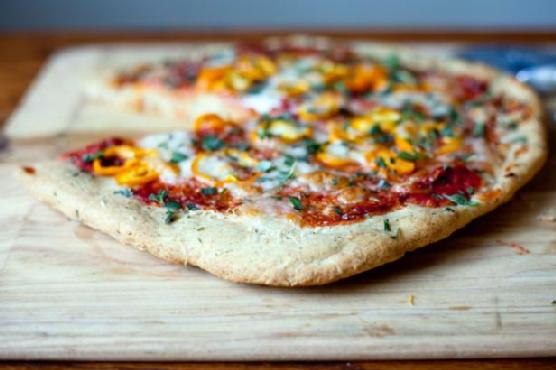
Are you tired of compromising on flavor while managing dietary restrictions? Look no further than this incredible Gluten-Free Pizza Crust, a game-changer for anyone seeking a delicious, low-FODMAP meal that happens to be dairy-free as well. In just 45 minutes, you can transform a simple collection of flours into a satisfying base that rivals traditional wheat-based pizzas, offering a delightful crunch without the heavy guilt.
What sets this recipe apart is its masterful blend of millet flour, sweet rice flour, potato starch, and psyllium husk powder. Together, they create a dough that is surprisingly pliable and holds up beautifully under heat, despite lacking gluten. As a cooking enthusiast, I love how this crust balances texture and nutrition; it delivers a robust 502 calories per serving with a perfect macronutrient profile, deriving 78.5% of its energy from wholesome carbohydrates that fuel your body effectively.
One of the most exciting aspects of making this pizza is the unique behavior of the dough. Unlike traditional recipes, this mixture starts out looking more like a thick pancake batter than a stiff dough. This is entirely normal! The secret lies in patience and proper hydration. When you let the dough rest in a warm place, it hydrates fully and rises gently by about one-third, developing a texture that feels just right for stretching. The psyllium husk acts as a natural binder, ensuring your pizza stays intact even without gluten.
Baking at a scorching 500 degrees F on a pizza stone or with parchment paper ensures that the edges turn golden and crisp while the center remains tender. Whether you are hosting a dinner party or simply craving a homemade meal, this crust offers endless possibilities for toppings. It proves that dietary restrictions need not limit your culinary adventures, inviting you to enjoy a rich, flavorful pizza that is as good for you as it is delicious.

Ingredients

  • 2.3 teaspoons active yeast dry
  • large eggs at room temperature
  • teaspoon kosher salt 
  • 400 grams millet flour 
  • tablespoons olive oil plus more for sprinkling
  • 300 grams potato flour 
  • teaspoon psyllium husk powder (see Cook's Note)
  • 300 grams rice flour sweet
  • 0.8 cup warm water 

Equipment

  • bowl
  • baking sheet
  • baking paper
  • oven
  • whisk
  • pizza pan
  • plastic wrap
  • stand mixer
  • rolling pin
  • pizza stone

Directions

  1. Whisk together the flour mix, yeast, psyllium, and salt.
  2. Pour this mixture into the bowl of a stand mixer.
  3. Finishing the dough: With the stand mixer running on low, add the olive oil, then the egg. Slowly, pour in the water. Here's the important part: gluten-free pizza dough will not look the same as gluten dough. It will be far wetter, even a little like pancake batter. As you pour the water, look for the dough to come together around the paddle. However, when your turn off the mixer, the dough should slump off the paddle immediately.
  4. Letting the dough rise: Scrape the pizza dough into a large greased bowl. Cover it with plastic wrap and set the bowl in a warm place. Gluten-free dough does not rise as much as gluten dough. Instead, you are looking for the dough to hydrate fully and increase in size by about one-third. When the dough has risen a bit and has the texture of traditional dough, about 1 1/2 hours, you're ready to bake.
  5. Heat the oven to 500 degrees F. If you have a pizza stone - and we recommend you do - put it in the oven now.
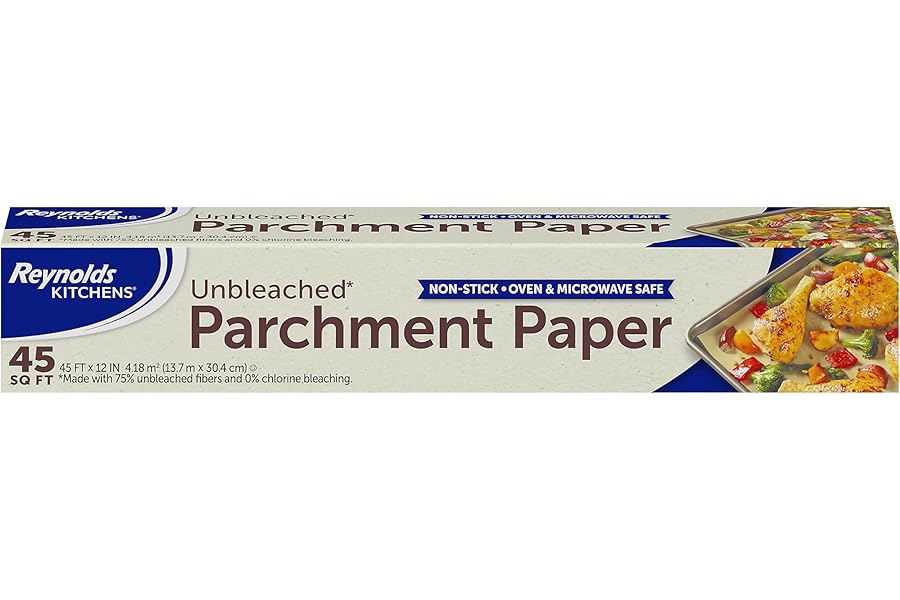
  6. If you own a pizza peel, lay down a piece of parchment paper on it now. If you don't own one, put the parchment paper on a pizza pan or baking sheet.
  7. Put the dough down on the parchment paper then top it with another one the same size. Using your hands or a rolling pin, flatten the dough slowly and evenly. You want a pizza dough about 12 inches in diameter. Take the top piece of parchment paper off the pizza dough.
  8. Sprinkle some olive oil over the top of the dough.
  9. Bake the dough in the oven until the edges are starting to brown and crisp and the top of the pizza is a little firm to the touch, 5 to 8 minutes.
  10. Pull out the pizza dough and top with whatever toppings you desire.
  11. Pour all the flours into a large container. (Restaurant supply stores sell large plastic containers that fit this purpose well. You could also use a large glass jar.) Shake and shake and shake harder until all the flours have become one color.

Nutrition Facts

Calories502kcal
Protein9.04%
Fat12.46%
Carbs78.5%

Properties

Glycemic Index
21.88
Glycemic Load
57.03
Inflammation Score
-5
Nutrition Score
15.899565383144%

Nutrients percent of daily need

Calories:501.6kcal
25.08%
Fat:6.95g
10.69%
Saturated Fat:1.13g
7.09%
Carbohydrates:98.47g
32.83%
Net Carbohydrates:93.09g
33.85%
Sugar:2.22g
2.46%
Cholesterol:23.25mg
7.75%
Sodium:323.81mg
14.08%
Alcohol:0g
100%
Alcohol %:0%
100%
Protein:11.33g
22.67%
Manganese:1.07mg
53.68%
Selenium:24.41µg
34.88%
Vitamin B6:0.66mg
33.08%
Vitamin B1:0.44mg
29.5%
Vitamin B3:5.65mg
28.26%
Phosphorus:260.2mg
26.02%
Magnesium:98.45mg
24.61%
Fiber:5.39g
21.56%
Copper:0.4mg
20.11%
Iron:2.77mg
15.38%
Potassium:532.95mg
15.23%
Folate:55.29µg
13.82%
Vitamin B5:1.33mg
13.32%
Zinc:1.97mg
13.14%
Vitamin B2:0.13mg
7.47%
Vitamin E:0.76mg
5.06%
Calcium:39.77mg
3.98%
Vitamin K:2.53µg
2.41%
Vitamin C:1.43mg
1.73%